Useful over loud.
Software should solve a real problem before it asks for attention.
About Mr.D
Mr.D is an independent product studio where engineering, regulatory expertise, and product thinking come together to turn useful ideas into working software.
Mr.D brings together software engineering, regulatory affairs, and marketing around a shared product mindset: find real problems, turn ideas into working software, and keep learning along the way.
That means helping people find trusted local expertise, making regulated information easier to navigate, and turning cloud compliance into something teams can actually prove.
Each product has a clear reason to exist, its own identity, and a direct path to the people it serves. Selected tools are released as open source so others can use them, inspect them, and build on them.
The founder
D. Klincharski founded Mr.D to turn technical curiosity into things that actually work—often somewhere between a cloud-security rabbit hole, a new software prototype, and the persistent question: could this be done better?
Mr.D is driven by a simple ambition: to make a difference and give something meaningful back. That means exploring new ideas, creating what does not yet exist, and challenging familiar ways of doing things when there is a better path.
The goal is not change for its own sake. It is thoughtful progress—turning curiosity into practical software, sharing useful tools, and helping shape a better tomorrow.
Behind the work
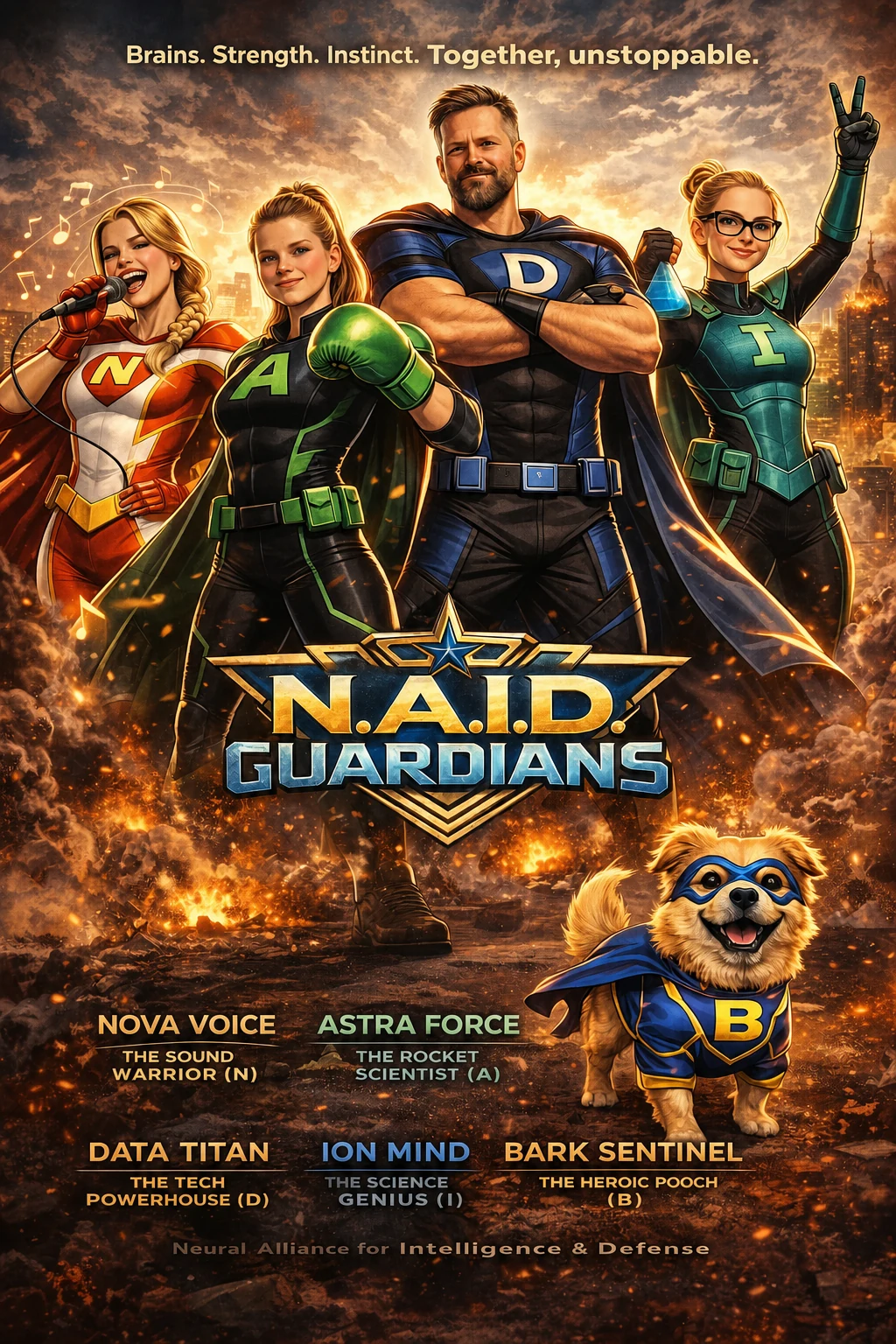
Every good idea needs people who believe in it before the rest of the world does. The Mr.D Crew is Davor's family—the steady support, honest perspective, and joyful energy behind the journey.
They bring their own mix of brains, strength, instinct, and togetherness. Their encouragement keeps Mr.D grounded, ambitious, and moving forward.

The identity
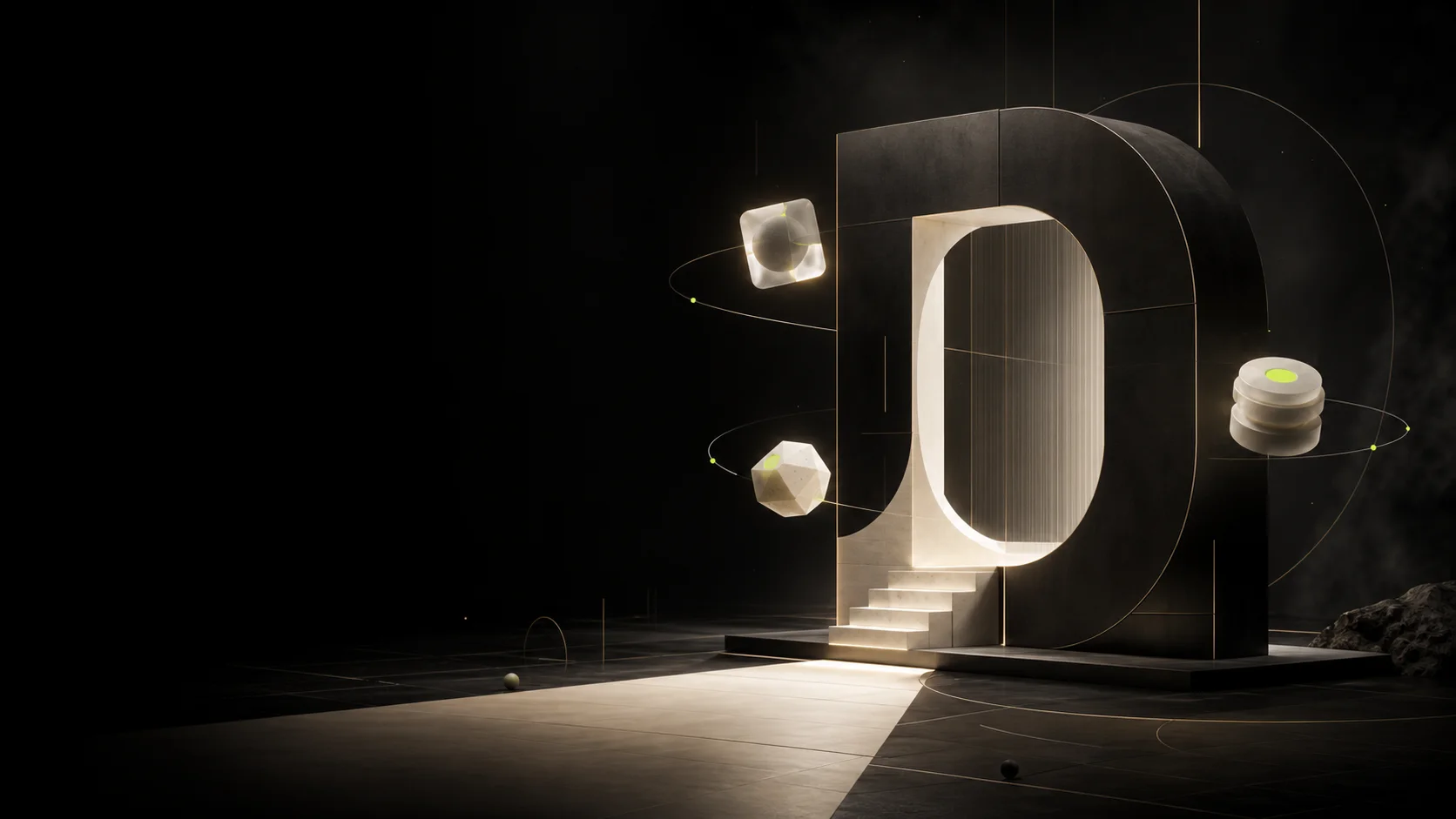
The mark turns the D into an open frame: a place where ideas become working products. The dot is the signal—the small detail that makes the name Mr.D.

A familiar face
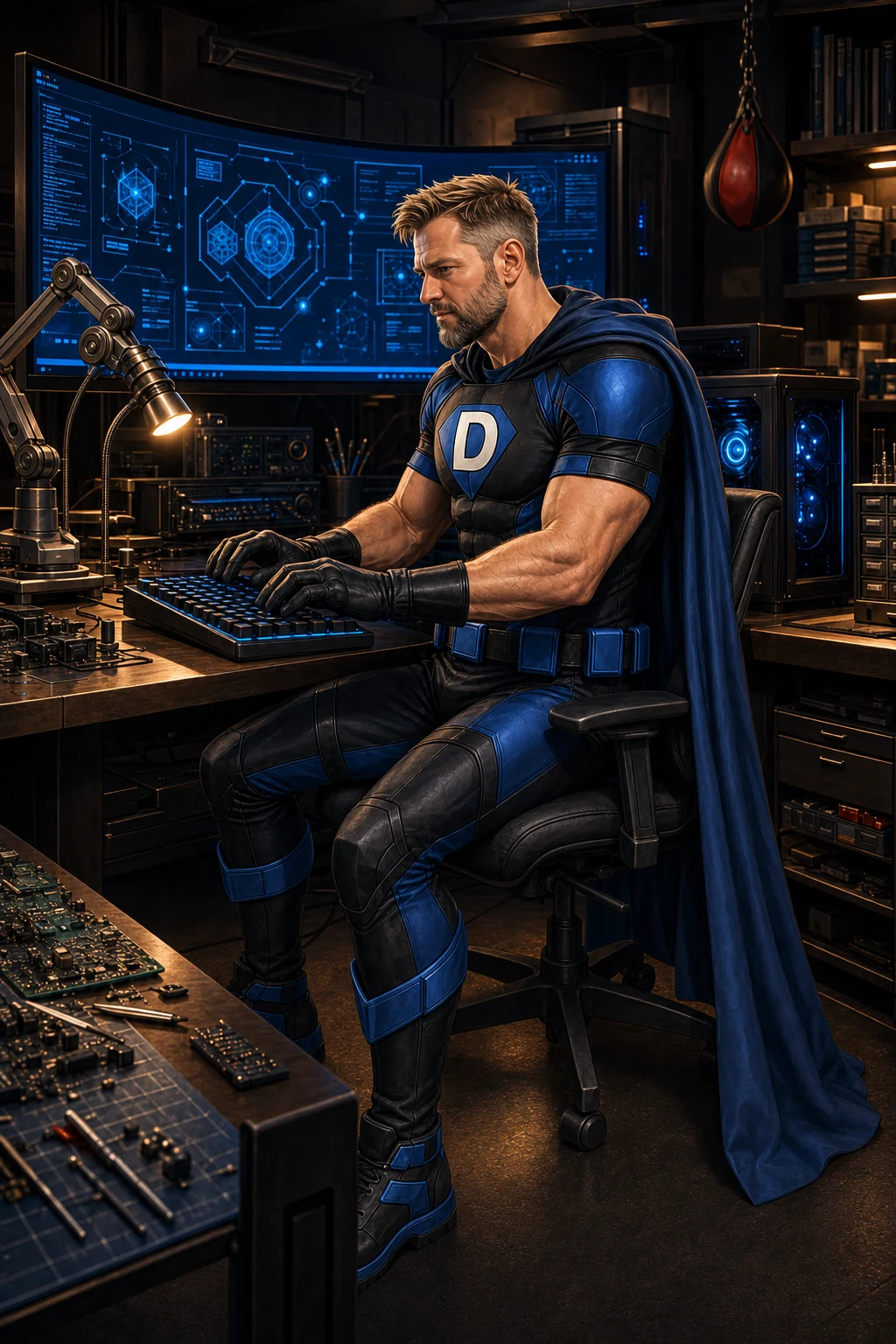
Curious by nature. Always building. Our mascot brings a little of the studio’s personality wherever he goes—from cloud experiments to notes from the workbench.
On the screen today. On T-shirts and stickers in the future.
Principles
Software should solve a real problem before it asks for attention.
Clear sources, honest limits, and outcomes that can be checked.
Practical tools are shared when others can build on them.
The work